Middle School (Years 7-8)
Welcome to Middle School
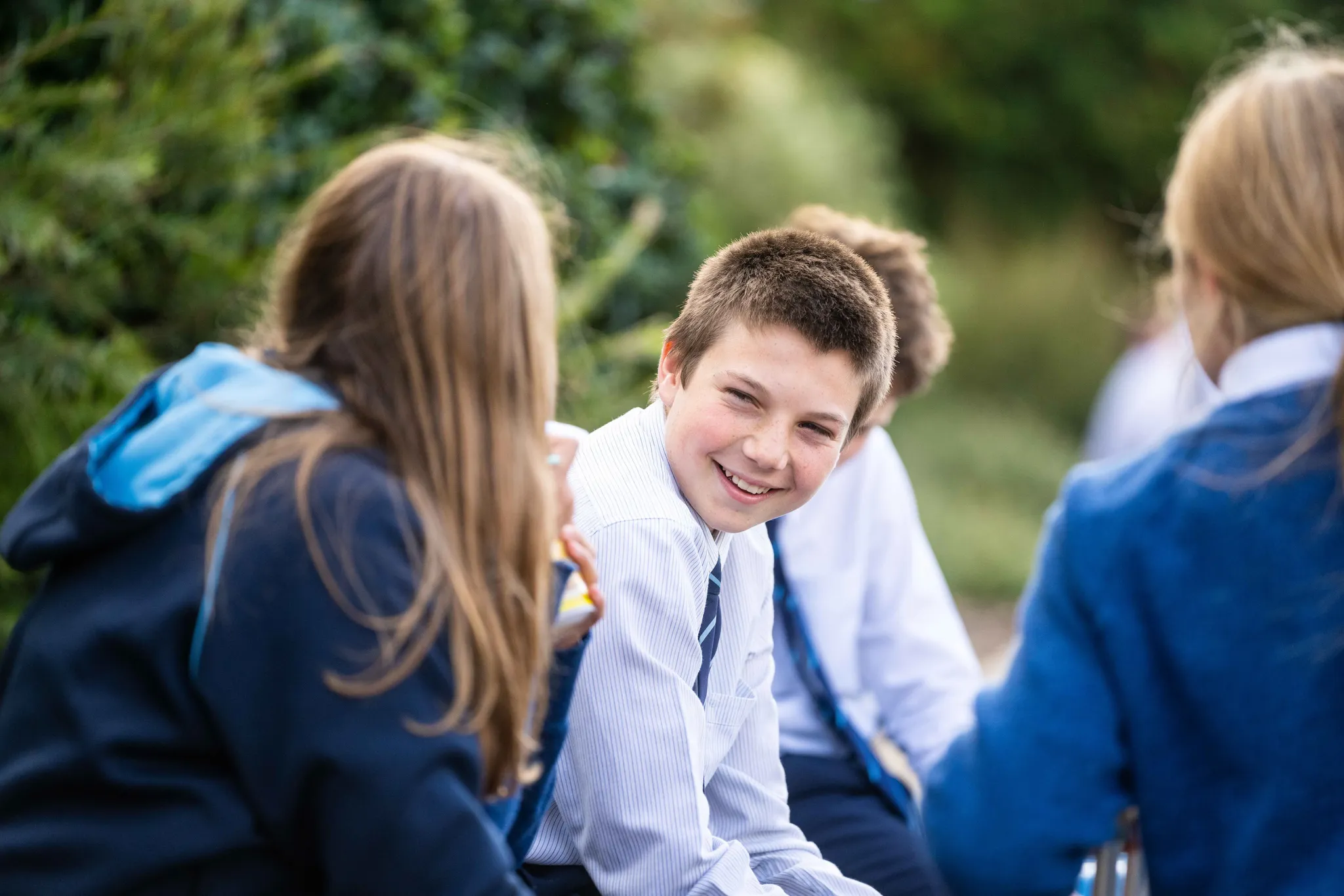
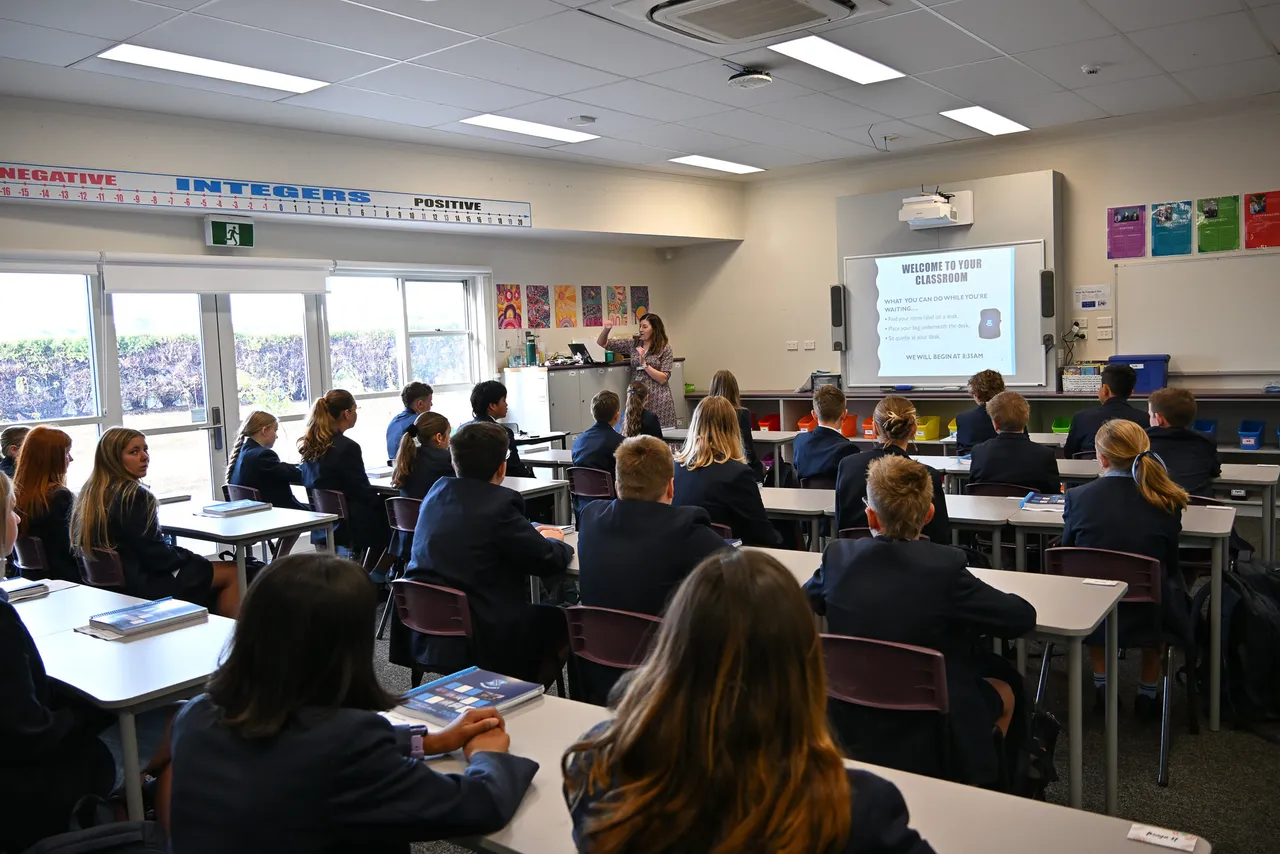
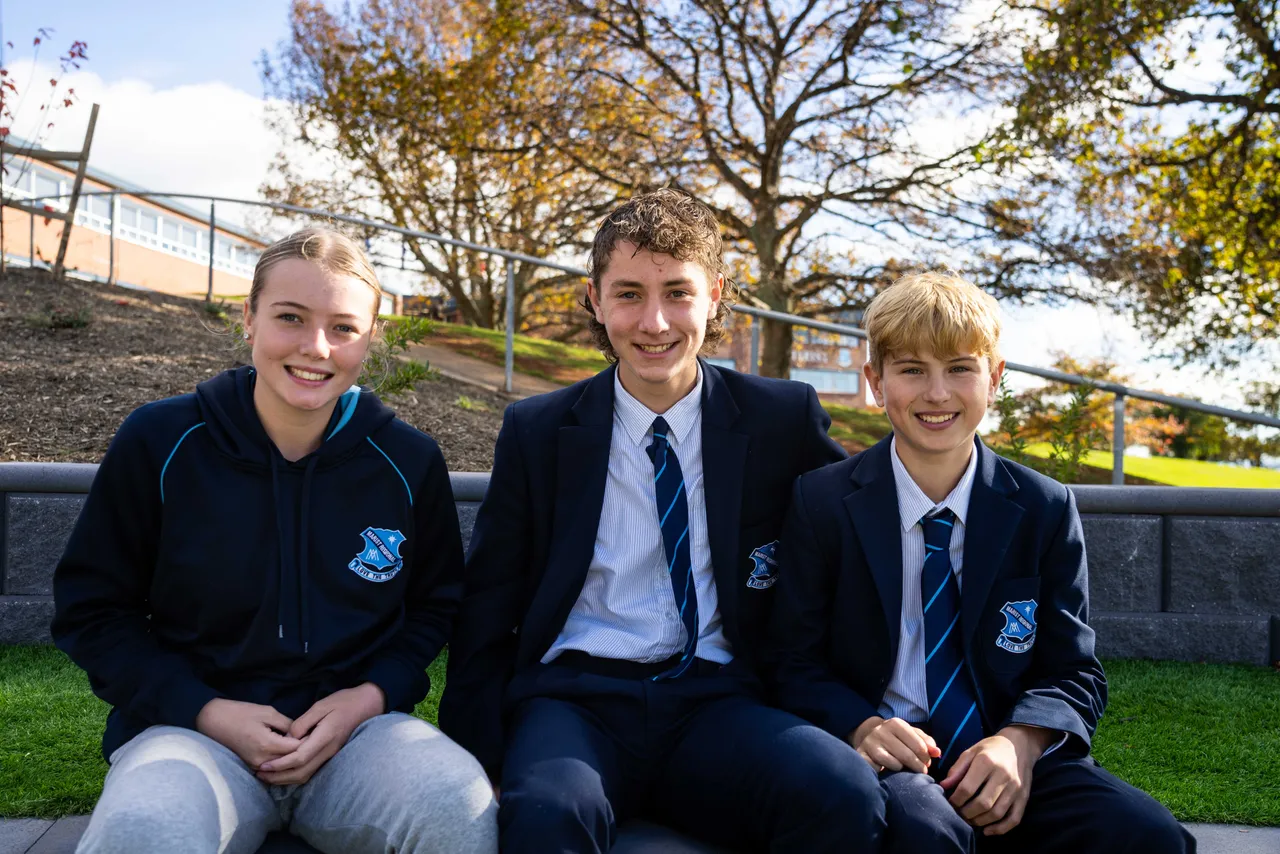
Years 7 and 8 at Marist Regional College are a time of transition, growth, discovery and possibility. Our learning program is thoughtfully designed to meet the diverse academic, pastoral and social needs of young adolescents as they transition into greater independence and responsibility.
We place a strong emphasis on literacy and numeracy, ensuring students build solid foundations for future learning. Alongside this, we intentionally develop essential 21st century skills — including critical and creative thinking, collaboration, innovation and effective problem-solving — equipping our students to thrive in an information-rich and ever-changing world.
At the heart of our Middle School philosophy is the development of the whole person. We are committed to nurturing:
- Catholic identity and values
- Strong pastoral care structures
- Positive teacher/student and peer relationships
- Meaningful school/parent partnerships
- A safe and supportive learning environment
Where possible, students have extended contact with a core group of teachers. This model strengthens relationships, enhances continuity of learning and creates an optimal environment for collaboration, engagement and growth.
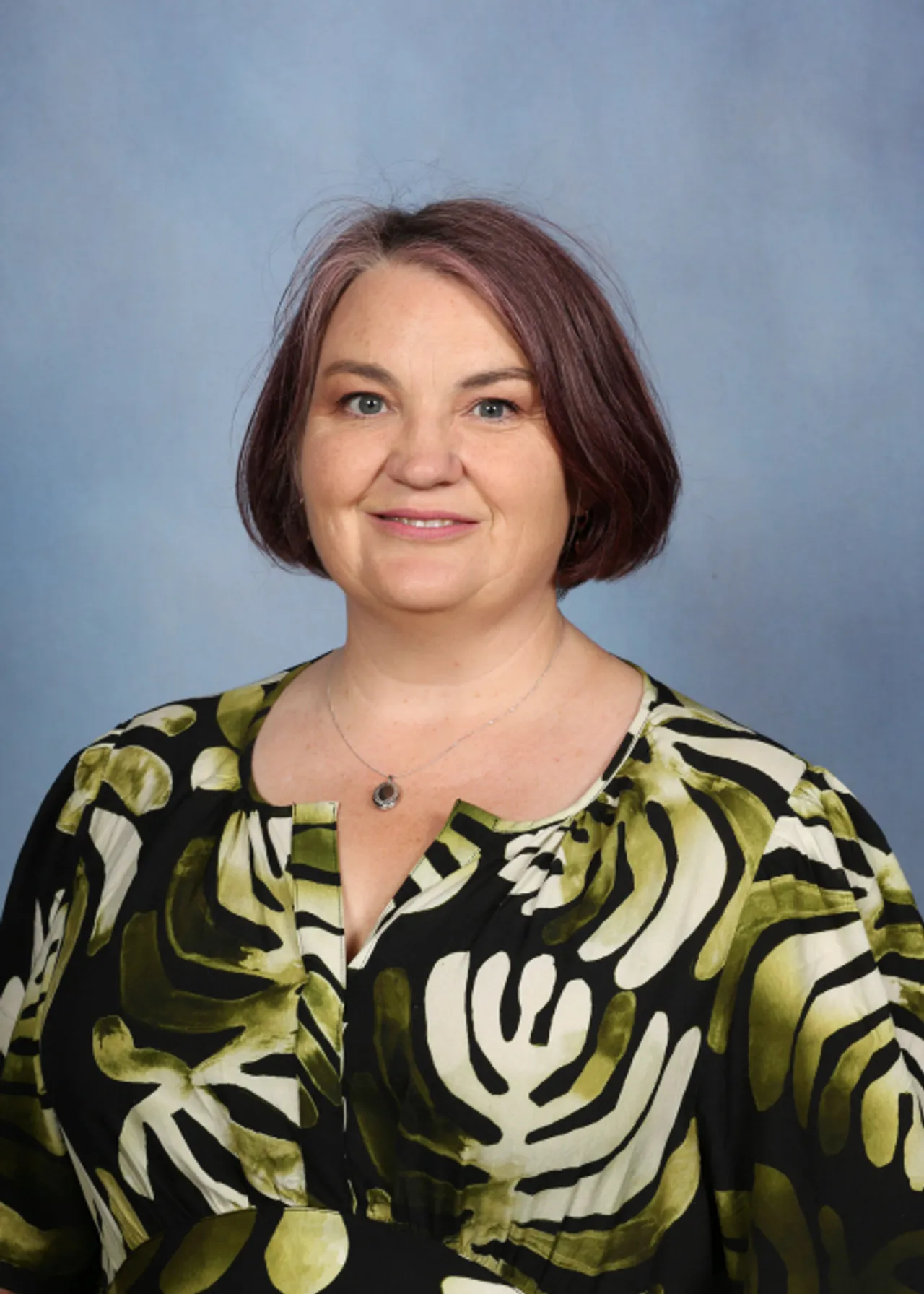
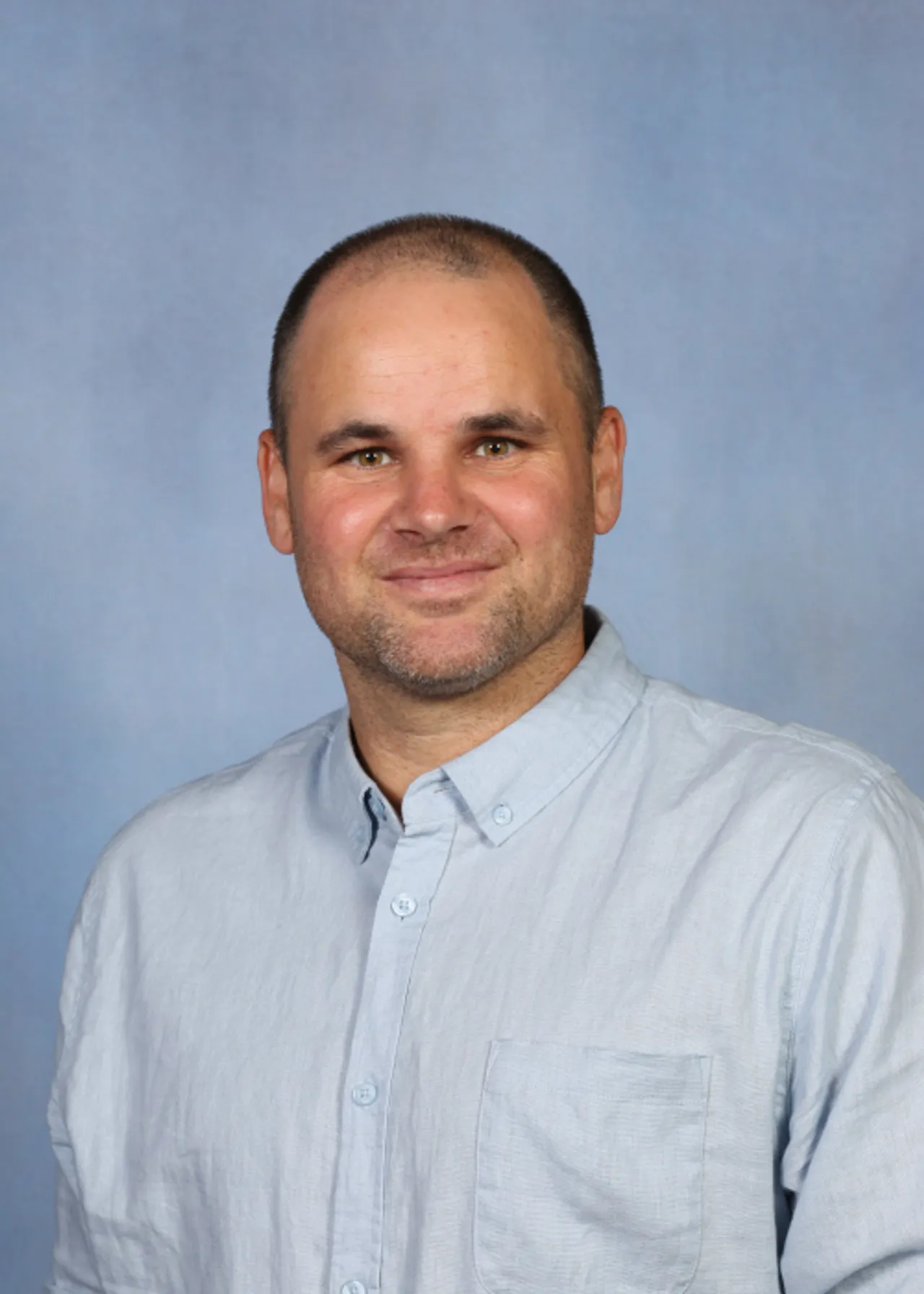
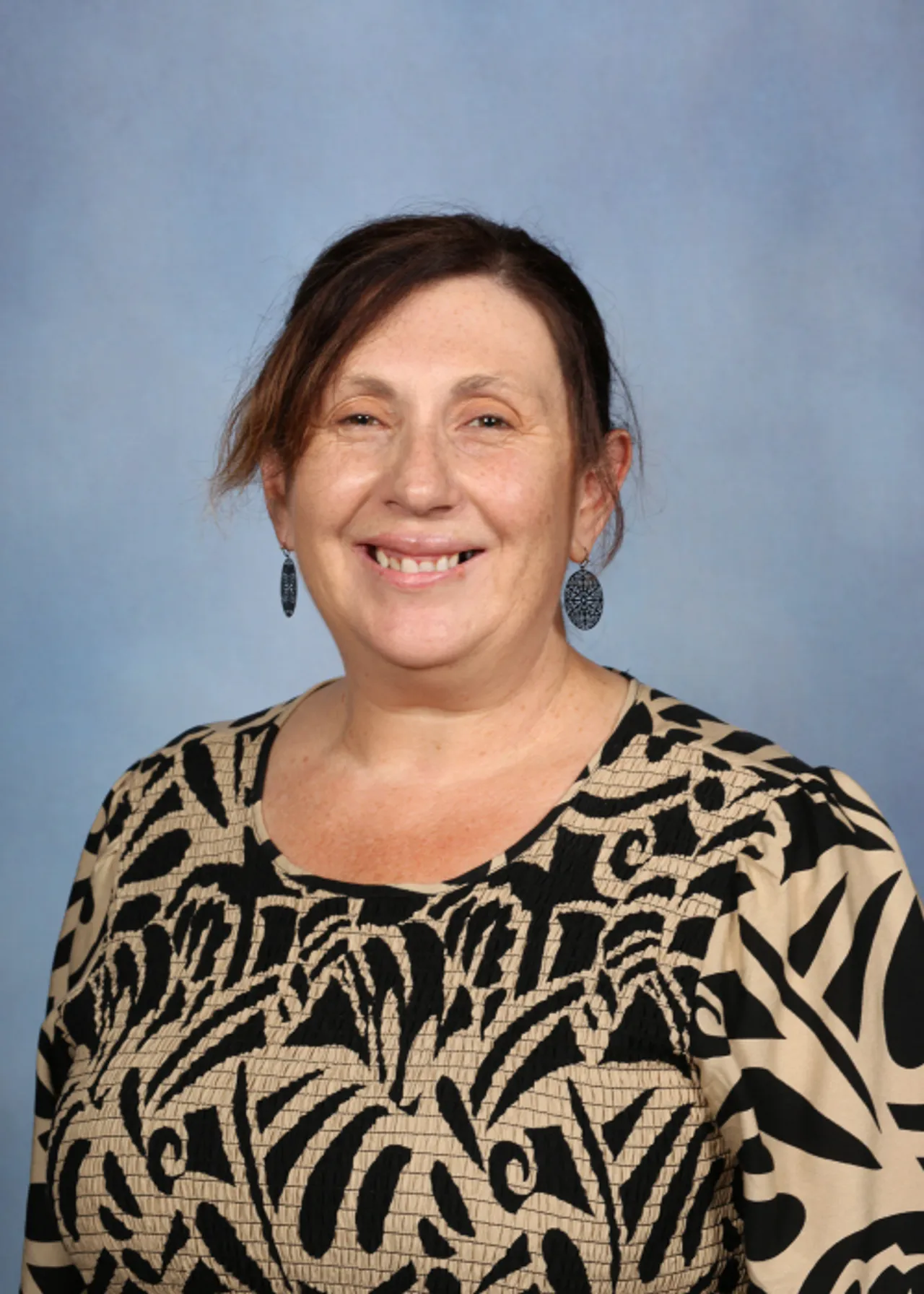
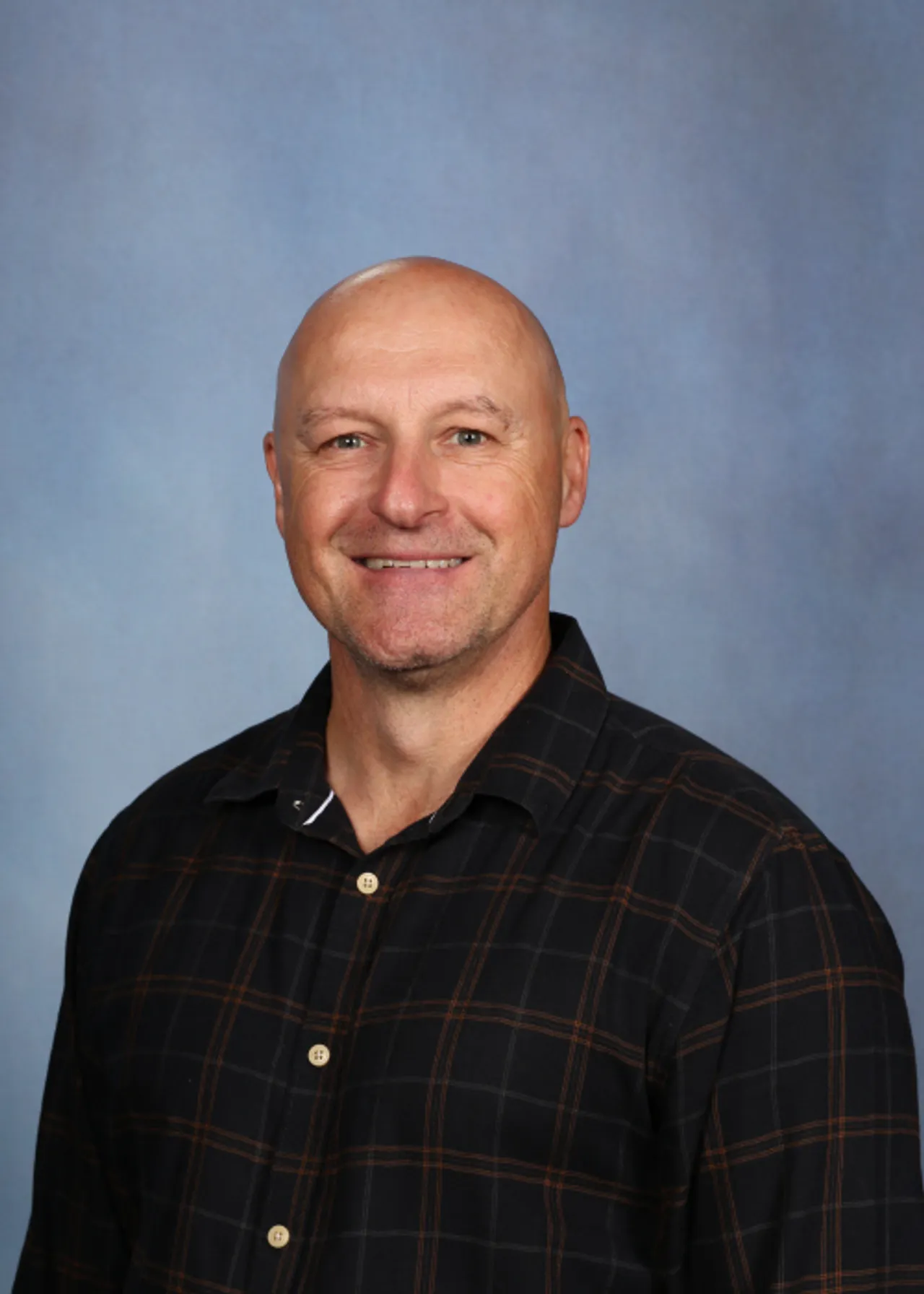
Our Middle School is led by the Director of Middle School, alongside our dedicated Year Level Coordinators. Together, they work closely with families and staff to ensure every student feels known, valued and supported.
Curriculum & Subject Selection Guides
These handbooks are designed to provide students and parents/ guardians with important information about the Year 7 and Year 8 curriculum. They outline the compulsory core subjects, as defined by the Australian Curriculum, and present a diverse selection of elective subjects that allow students to explore their interests and develop new skills.
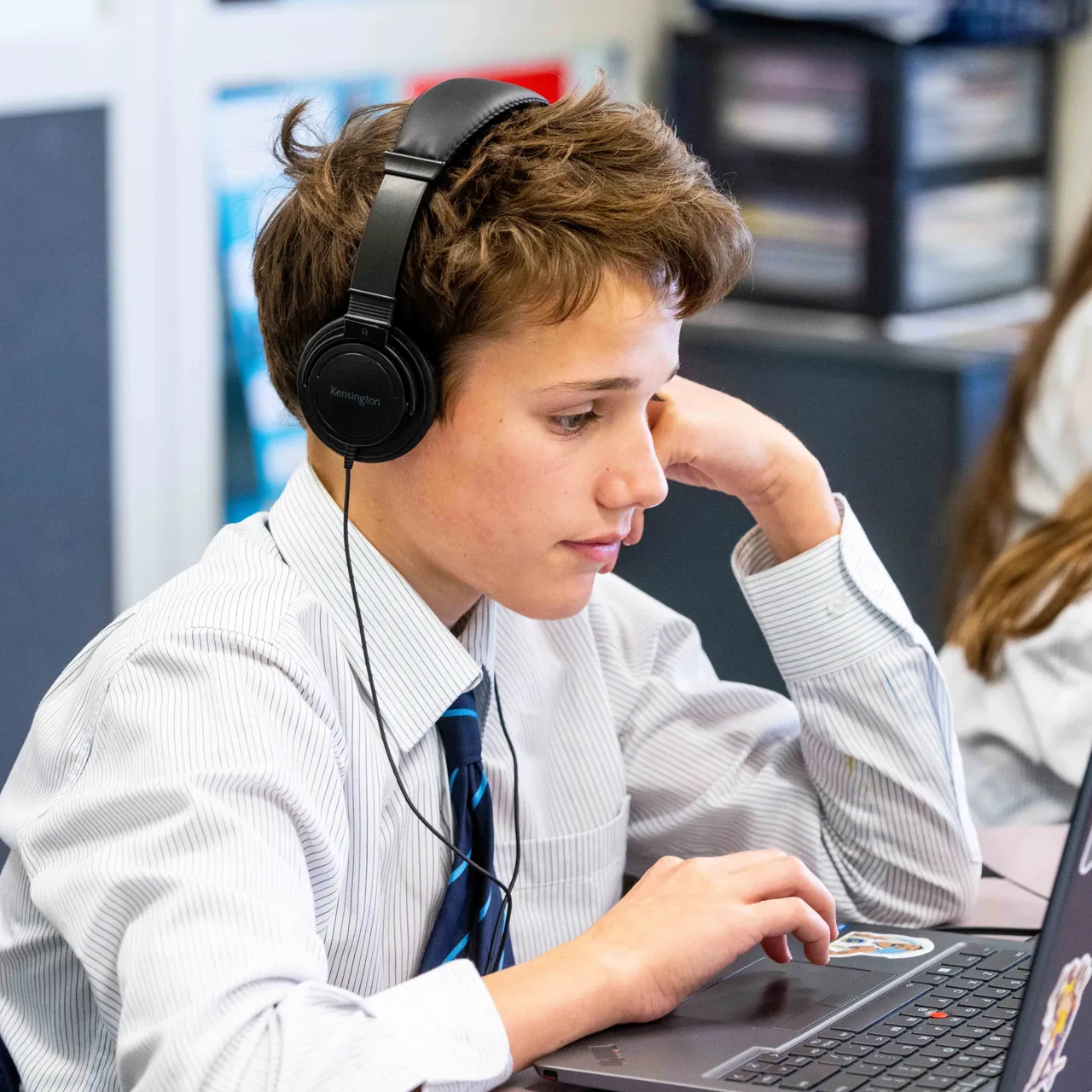
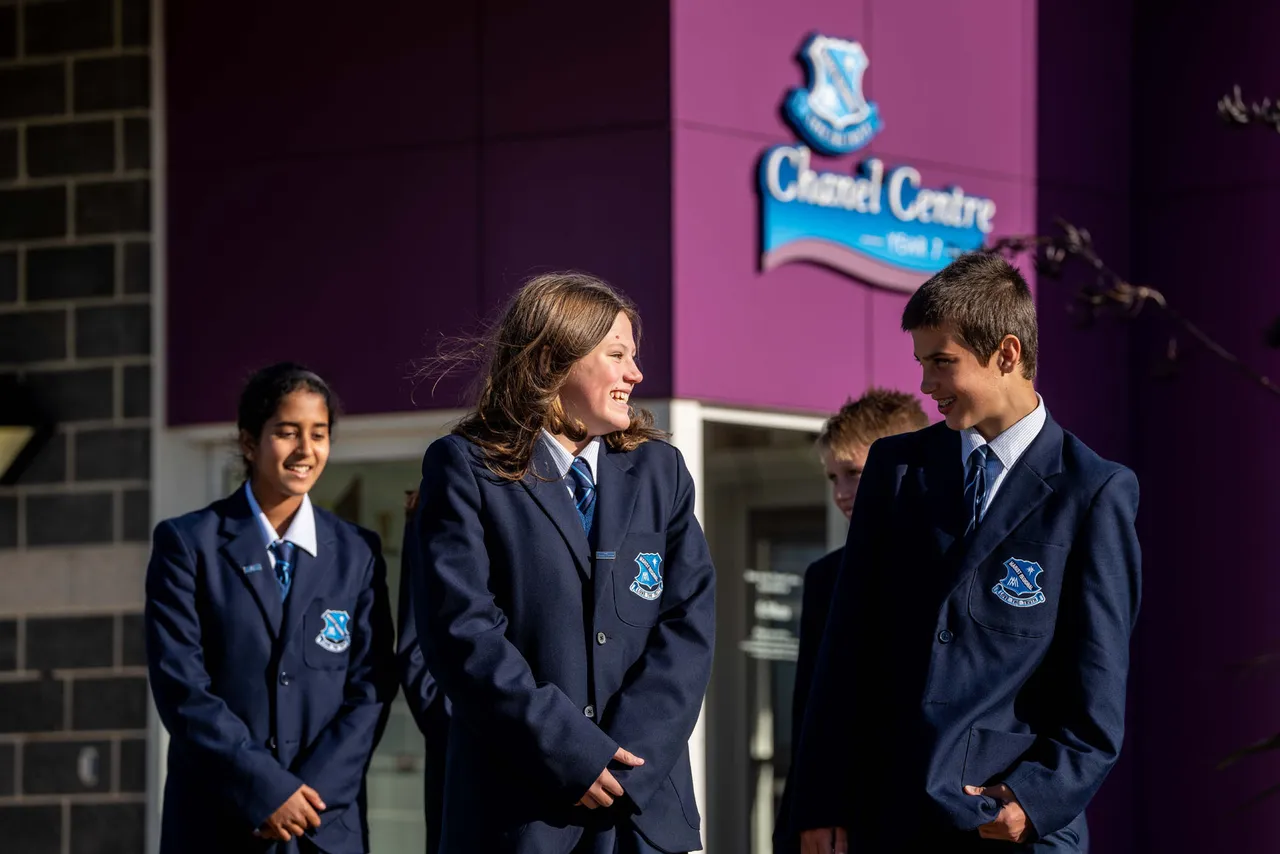
How do we support students transitioning between Primary and Secondary school?
Our transition and orientation programs ease the shift from primary to secondary school by familiarising students with their new environment to ensure a successful start to Year 7. These occasions also allow teachers a valuable opportunity to gain vital information that helps tailor future instruction and support to meet student needs.
Transition opportunities at Marist Regional College can include our Enrolment Information Evening, school tours, feeder school visits in Year 5 and/or 6, early transition sessions led by Student Support, Orientation Day and early transition meet and greet at the beginning of the school year.
How are class placements made in Year 7?
Setting up Year 7 classes at MRC involves balancing complex factors—like academic distribution, gender balance, family needs, learning support, and health and wellbeing concerns —to ensure the best possible learning and pastoral outcomes for every student.
While friendships are important, to ensure balanced classes, previous friendship groups are not a primary factor in determining class placements. We value social growth and offer programs early in the school year, like our Pastoral Care Programs and Year 7 Camp, to foster new friendships. Parents are provided with a form at enrolment interviews where any specific class placement concerns can be shared.
Who do I contact when I need support as a parent?
If you need support, the best first point of contact is your child’s Pastoral Care Group Leader. You can reach them directly via email through MEL or by calling our College Reception on 6432 7600.
What is The Resilience Project, and how is it integrated into Pastoral Care lessons?
Based on the evidence-based principles of Gratitude, Empathy, Mindfulness (GEM) and Emotional Literacy, The Resilience Project program equips students with lifelong wellbeing habits, builds educator resilience and empowers families to support wellbeing at home.
How it Works at MRC
Through pastoral care lessons, teachers lead structured activities that bring GEM+EL to life — from gratitude reflections and empathy-building discussions to mindfulness practices and emotion vocabulary development. These strategies are practical, accessible and directly linked to supporting wellbeing in daily school life and beyond.
We also provide resources and opportunities for families to engage with The Resilience Project principles at home, recognising that wellbeing is strongest when school and home work together.
What extra-curricular activities are available?
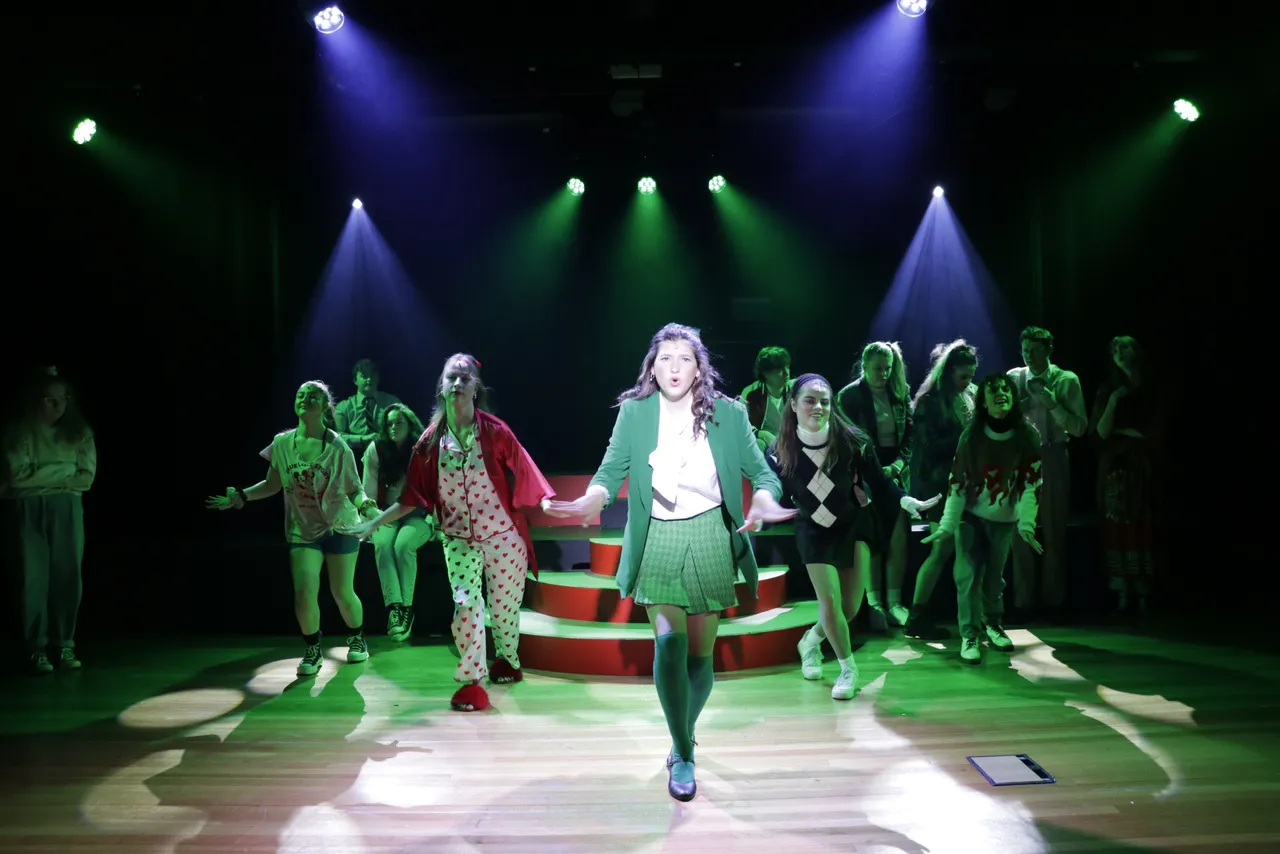
Students are actively encouraged to be involved in some of the many extra-curricular activities offered throughout the school year. Please see our Extra-Curricular page for more information.
We acknowledge and pay respect to the original and ongoing custodians of the land. We acknowledge the continuing connection to land, seas, air and waterways and commit ourselves to the ongoing journey of reconciliation. We honour Elders, past, present and emerging.